02 / 02 2025
We
My grandmother went to confession every Saturday and we went with her, the grandchildren, fidgeting in the pew while she disappeared behind the curtain. She wasn't in there long. But she came out different, visibly lighter, like something had been lifted off her that we hadn't noticed she was carrying. We'd sit beside her then, saying our own penance in silence. The priest absolved but God only listened, forgiveness implied in the silence receiving you without flinching.
I haven't been to confession in decades. I doomscroll instead, which is its own kind of rosary, the same compulsive repetition, the same low hum of guilt. One night I stumbled into r/confessions and stayed for hours, recognizing something I couldn't name. I'd like to say what kept me there was empathy, but it was schadenfreude.
What drew me in wasn't any single confession but what they shared, the same grammar of shame across different lives. So I trained a model on them. One million confessions. When the first output came back garbled and almost-sensible, terrifying and beautiful at the same time.
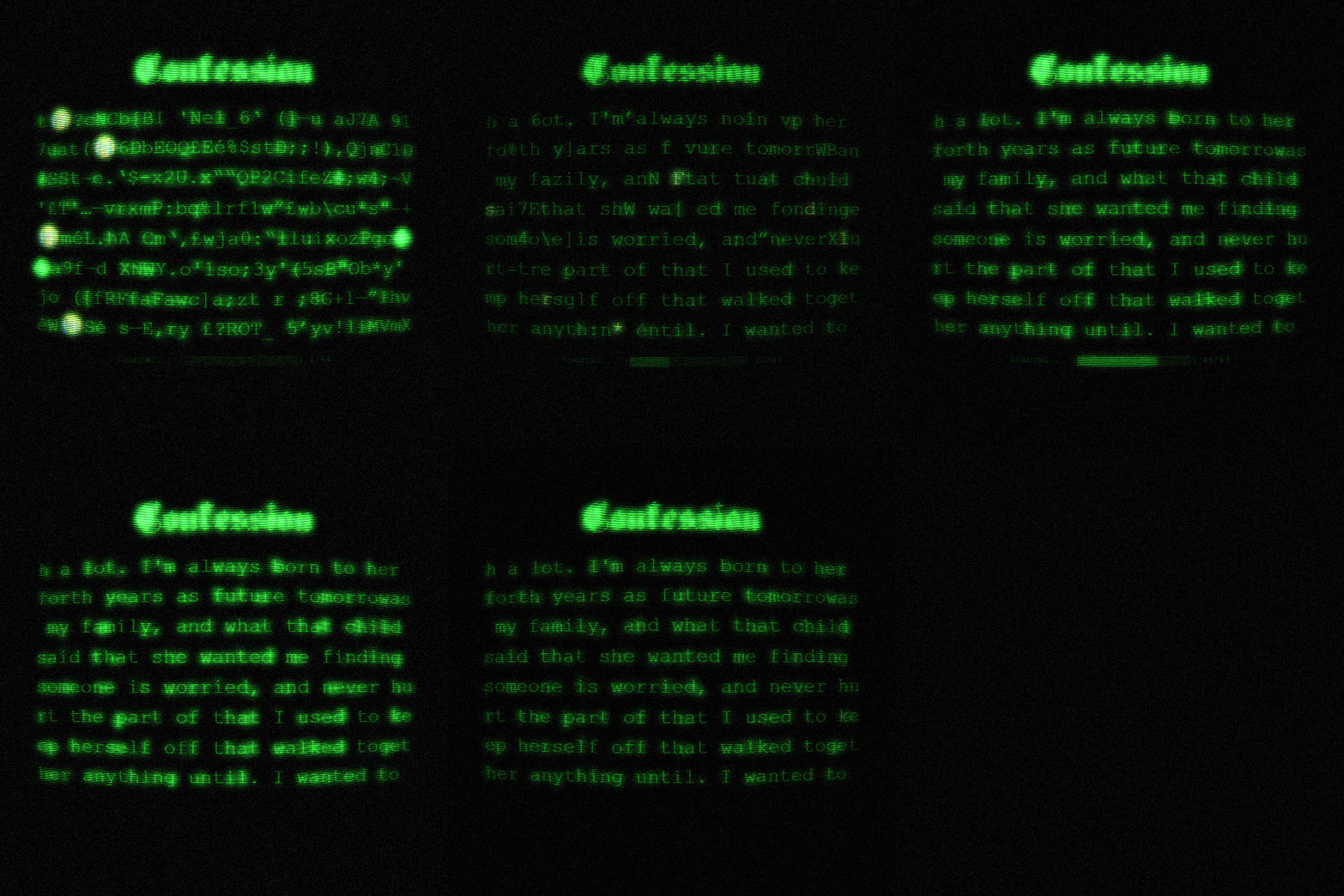
A screen glowing phosphor green out of total darkness, because we have always entered darkness to confess. Above it, a word in the script that carried God's word through the Middle Ages, hand copied in candlelight. An intentional anachronism, sophisticated generative technology imagined as something humming on an old IBM in a church basement.
The confessions it generates are not quite right. They require effort, a willingness to lean in and parse. But real confession was never clean either. We circled it, confessed adjacent to the sin. The model learned that too and returns it in fractured grammar. An echo of ourselves. You sit and watch and realize you are in the priest's chair and the booth at the same time. There is no absolution. You cannot forgive what you recognize in yourself.
Note: currently non-functional while weights are being updated.